 Yogurt Atelier
Protein Explained
Why one tub of yogurt can have very different protein from another, and how to compare them fairly.
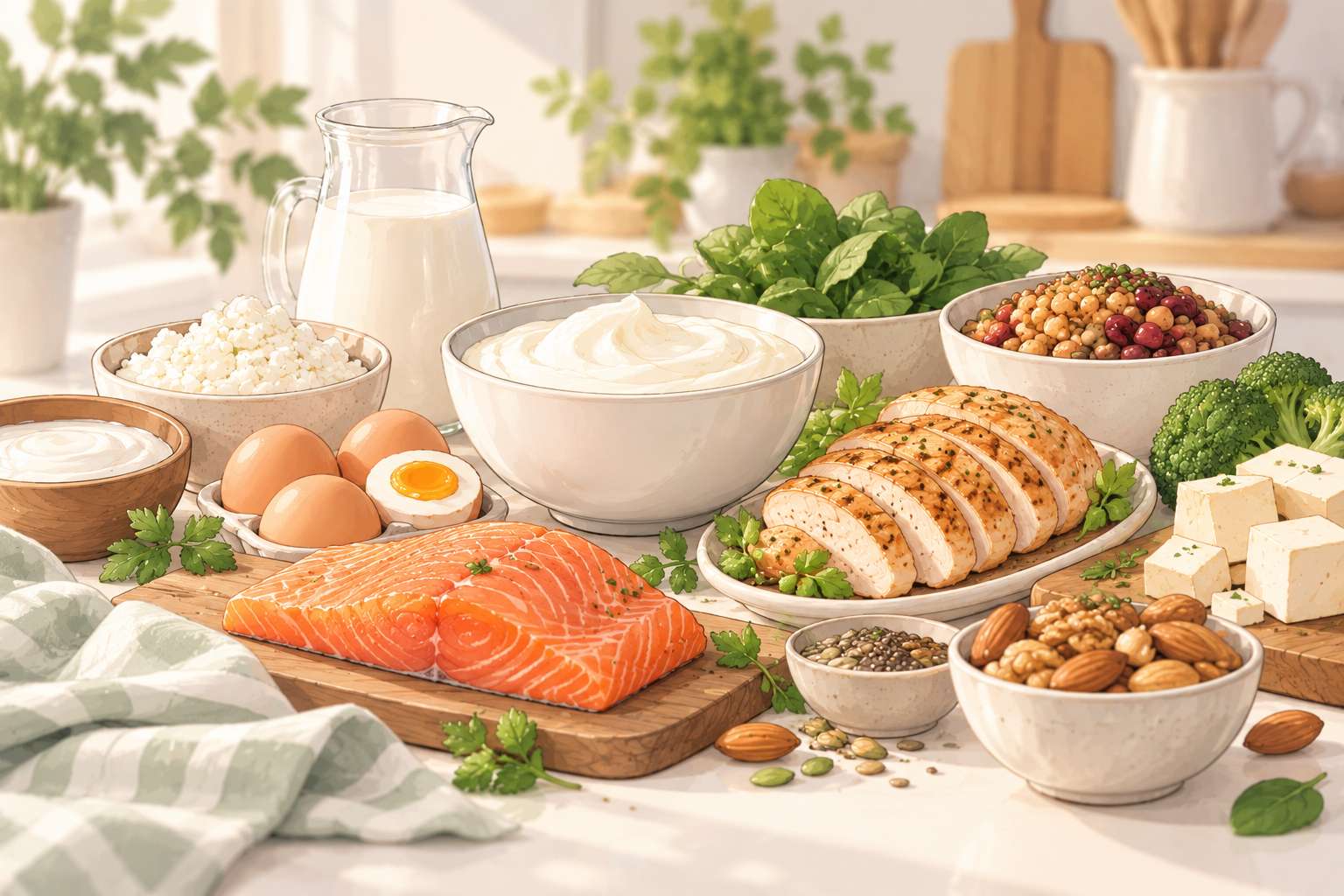
Protein is one of the first things many people check on a yogurt label, and the numbers can differ more than you might expect. Behind those numbers sit the milk, the way the yogurt was made and, very often, the portion size. Knowing how these factors fit together helps you compare products sensibly. This article is about reading the information, not about what you should eat.
Where yogurt's protein comes from
Yogurt gets its protein from milk, which contains two main groups: caseins, which build the gel that gives yogurt its body, and whey proteins, which are more soluble. When yogurt is made, the milk proteins are already present, and the bacteria change the acidity rather than creating protein. So how much protein a yogurt contains depends mainly on how much was in the milk, and on whether any liquid has been removed or any protein added.
Straining and concentration
Straining removes whey, which is mostly water, so the protein in what remains becomes more concentrated. That is why strained yogurts such as skyr and labneh tend to list more protein per spoonful than ordinary yogurt. International standards for fermented milks expect concentrated products to contain more protein than regular ones; the Codex standard sets a minimum of 5.6 percent protein for them. Some manufacturers also add milk protein or milk solids to reach a target, and the ingredient list will show it.
The base milk
The milk matters as well. Sheep's milk is naturally richer in protein than cow's milk, while plant-based bases differ widely. Published reviews put soy milk at roughly 3.8 to 4 percent protein and coconut milk at well under that, so a plant-based yogurt made from coconut will generally be lower unless protein is added. Check the product rather than assuming from the category.
Reading the label
Nutrition labels show protein for a stated amount, and that amount is not always the same from one product to the next. One tub might list protein per 100 grams while another lists protein per serving, and servings range from small pots to large cups. To compare fairly, find the serving size in grams on each label and then compare protein per 100 grams, or work out protein for the amount you would really eat. A small pot with a high figure per 100 grams may deliver less than a big pot with a modest figure.
Beyond the protein line
Many yogurts contain added sugar, fruit preparations or thickeners, which also appear on the label. Protein is only one line among several, and the full picture includes fat, sugar and the ingredients themselves. For plain yogurt, the ingredient list is short, and the nutrition panel mostly reflects the milk. Flavored products are better judged on the whole label than on protein alone.
At home
If you make yogurt at home, the protein in your batch depends on your milk and on any straining you do. Recipes in the app that carry a nutrition estimate show protein per serving worked out from standard nutrition data, and those figures are estimates rather than laboratory measurements. Portions you actually serve will differ from the recipe, so treat the numbers as a guide.
A note on needs
Protein needs vary between people, and nothing here is personal advice. If you have specific dietary needs or medical conditions, a registered dietitian or doctor is the right person to ask.
Compare per 100 grams, then think about the portion you will actually eat.
Bring your curiosity
into the kitchen.
Explore guided preparation, fermentation tracking and yogurt recipes in Yogurt Atelier for iPhone.
 Coming soon to the App Store.